
Carolina Skies Astronomy Club
The Greenville area’s local astronomy community welcomes anyone with an interest in the night sky. No equipment or scientific background is required, just curiosity and a passion for astronomy.
The Carolina Skies Astronomy Club meets once a month at a dark-sky location to observe, learn, and share our love of the night sky together. Whether you’re brand new to stargazing or already hooked, it’s a relaxed, welcoming night under the stars. Check out the details below to see how you can get involved!
Join Our Newsletter
Stay connected with Carolina Skies Astronomy Club. We will send out alerts to keep you in the know about our upcoming events.
New Email Sign Up
Night Sky Planner

| Astronomical Times for Greenville (35.6127, -77.3664) Starting 26 Oct 2026, for the next 3 days | |||||||
| Date | Morning | Sunrise | Sunset | Evening | Moonrise | Moonset | Moon Phase |
| Twilight | Twilight | ||||||
| 26 Oct 2026 | 05:53 | 07:24 | 18:22 | 19:51 | 18:25 | 07:58 | 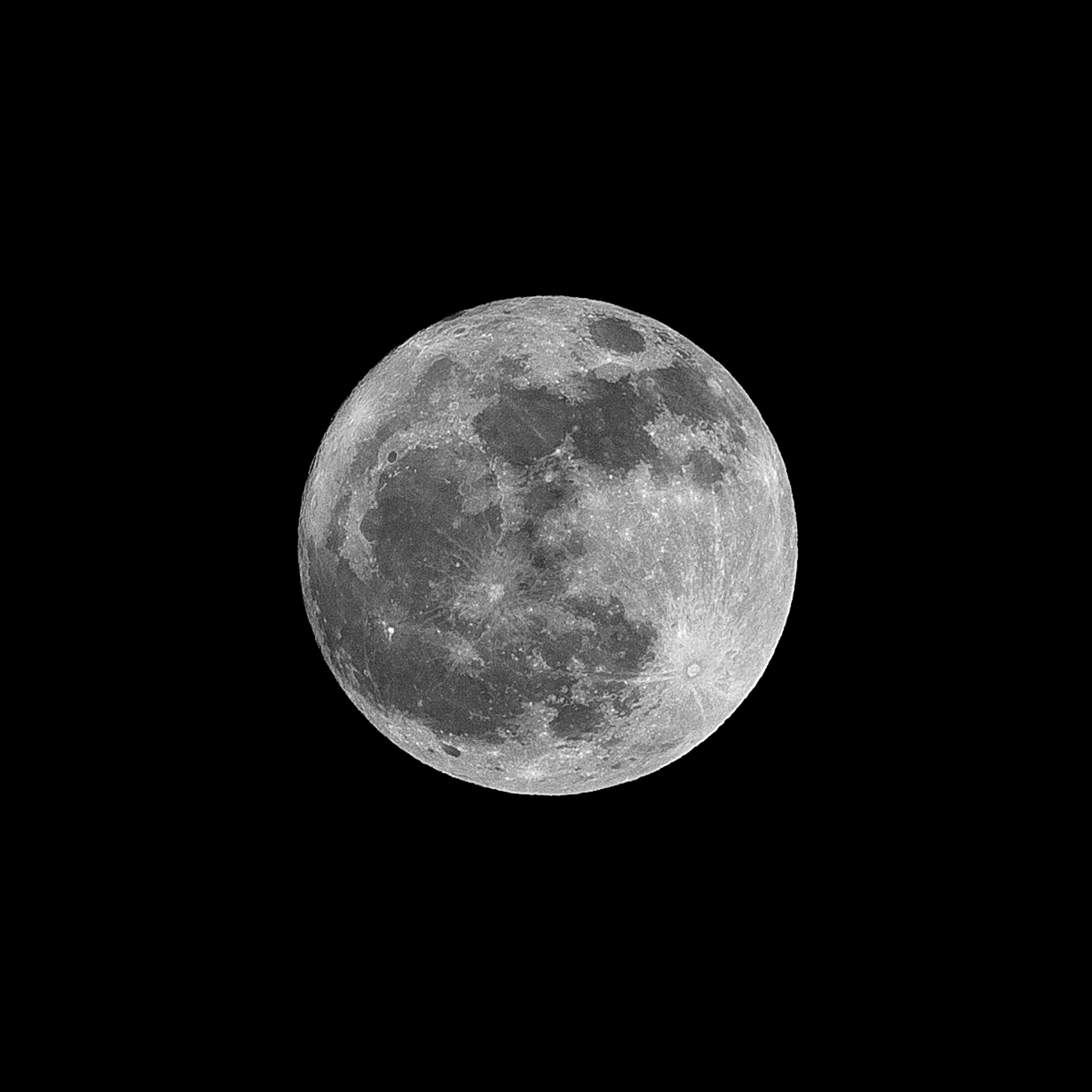 |
| 27 Oct 2026 | 05:54 | 07:25 | 18:21 | 19:50 | 19:09 | 09:13 | |
| 28 Oct 2026 | 05:55 | 07:26 | 18:19 | 19:48 | 20:02 | 10:27 | |
Twilight: Dawn and Dusk
This chart shows the times of astronomical twilight and the current Moon phase to help you plan your night of observing. Times are listed in 24-hour format.

 48°F
48°F


Seasonal Space Fact
The Orion Nebula is a nearby stellar nursery about 1,350 light-years away where new stars are forming. Its central stars in the Trapezium Cluster make the surrounding gas glow, allowing it to appear as a faint patch in Orion.
Observing Opportunity
The Orion offers several great targets for observers. The bright Orion Nebula can be seen as a fuzzy patch with binoculars or a small telescope. Orion also contains the colorful stars Betelgeuse and Rigel, which are easy to spot with the naked eye. The three stars of the Orion Belt help locate other objects, and under dark skies observers may even glimpse the faint Horsehead Nebula.

Send Us a Message
Have a question or want to support the Carolina Skies Astronomy Club? Send us a message to learn more about our programs, events, or how you can contribute.